For decades, the standard response to a head lice discovery was a frantic trip to the local drugstore for a boxed chemical treatment. Parents would spend hours scrubbing the house, bagging stuffed animals, and reapplying pungent shampoos, only to find live bugs crawling again just days later.
In the Heartland, we are seeing a significant shift in how these infestations behave. If you feel like the old methods aren't working, you aren't imagining it. The landscape of head lice has changed, giving rise to what experts and the media have dubbed "Super Lice."
At Heartland Healthy Heads, we believe that education is the first step toward eradication. Understanding the biological evolution of lice and the psychological impact of the "lice stigma" allows families to move from a state of panic to a state of prepared, effective action.
The Biological Reality: What Are Super Lice?
The term "Super Lice" sounds like something out of a science fiction novel, but it is a very real biological phenomenon. These are not larger, faster, or more dangerous lice; rather, they are head lice that have developed a genetic resistance to the most common pesticides used in over-the-counter (OTC) treatments.
The Failure of Permethrin and Pyrethrin
Most traditional lice shampoos rely on a class of chemicals called pyrethroids (such as Permethrin). For years, these were highly effective at paralyzing the nervous systems of lice. However, through decades of over-exposure, lice have undergone a "knock-down resistance" (kdr) mutation.
A landmark study published in the Journal of Medical Entomology found that in 48 out of 50 states tested, 100% of the lice samples collected had the genetic mutation associated with resistance to these common OTC chemicals. In Kansas and Missouri, the resistance levels remain high, meaning the shampoos many parents rely on are often biologically incapable of solving the problem.
The Pitfalls of the "DIY" Cycle
When a chemical treatment fails, the natural instinct for many parents is to try a "home remedy" found on the internet. While these methods are often born of a desire to avoid toxins, they frequently lead to a prolonged infestation.
- The Suffocation Myth: Common kitchen staples like mayonnaise, olive oil, or butter are often used to "suffocate" lice. While these may slow the bugs down, lice can actually close their breathing spiracles and survive for hours—sometimes even overnight—submerged in these substances.
- The Essential Oil Gap: While scents like tea tree or peppermint oil can act as mild deterrents, they are rarely concentrated enough to kill an active infestation or address the nits (eggs).
- The Nit Problem: The biggest hurdle in any DIY or OTC treatment is the nit. Nits are protected by a hard, glue-like shell that chemicals cannot penetrate. If the treatment does not include a meticulous, professional-grade manual removal, the eggs will hatch, and the cycle will begin again within 7 to 10 days.
Breaking the Stigma: Lice Are Not a Hygiene Issue
Perhaps more damaging than the bugs themselves is the social stigma attached to them.
Many parents feel a sense of shame or "dirtiness" when lice enter their home, often leading them to keep the situation a secret. This secrecy is exactly how lice continue to spread through the community.
At Heartland Healthy Heads, we are committed to changing this narrative. Here are the facts:
- Lice Prefer Clean Hair: Head lice actually find it easier to attach their eggs to clean hair shafts rather than oily or dirty hair.
- Socioeconomic Neutrality: Lice do not care about your zip code, the size of your home, or how often you vacuum. They are opportunistic travelers that move through direct head-to-head contact.
- Community Health: Treating lice is an act of community care. By addressing the issue openly and professionally, you are protecting your friends, neighbors, and classmates.
The Heartland Healthy Heads Advantage: A Clinical Approach
Because we understand the science of resistance, our clinic in Olathe utilizes a multi-step process that does not rely on failing pesticides. Our goal is to provide a "one-and-done" solution that removes the guesswork for Kansas City families.
1. Advanced Dehydration Technology
Since lice have developed resistance to chemicals, we utilize physical methods they cannot adapt to. Our treatment includes the use of heated air technology (such as the FloSonix system). This FDA-cleared device uses controlled, heated air to dehydrate and kill both live lice and their eggs in a single session. Unlike chemicals, lice cannot become "immune" to dehydration.
2. The Shepherd Method of Manual Removal
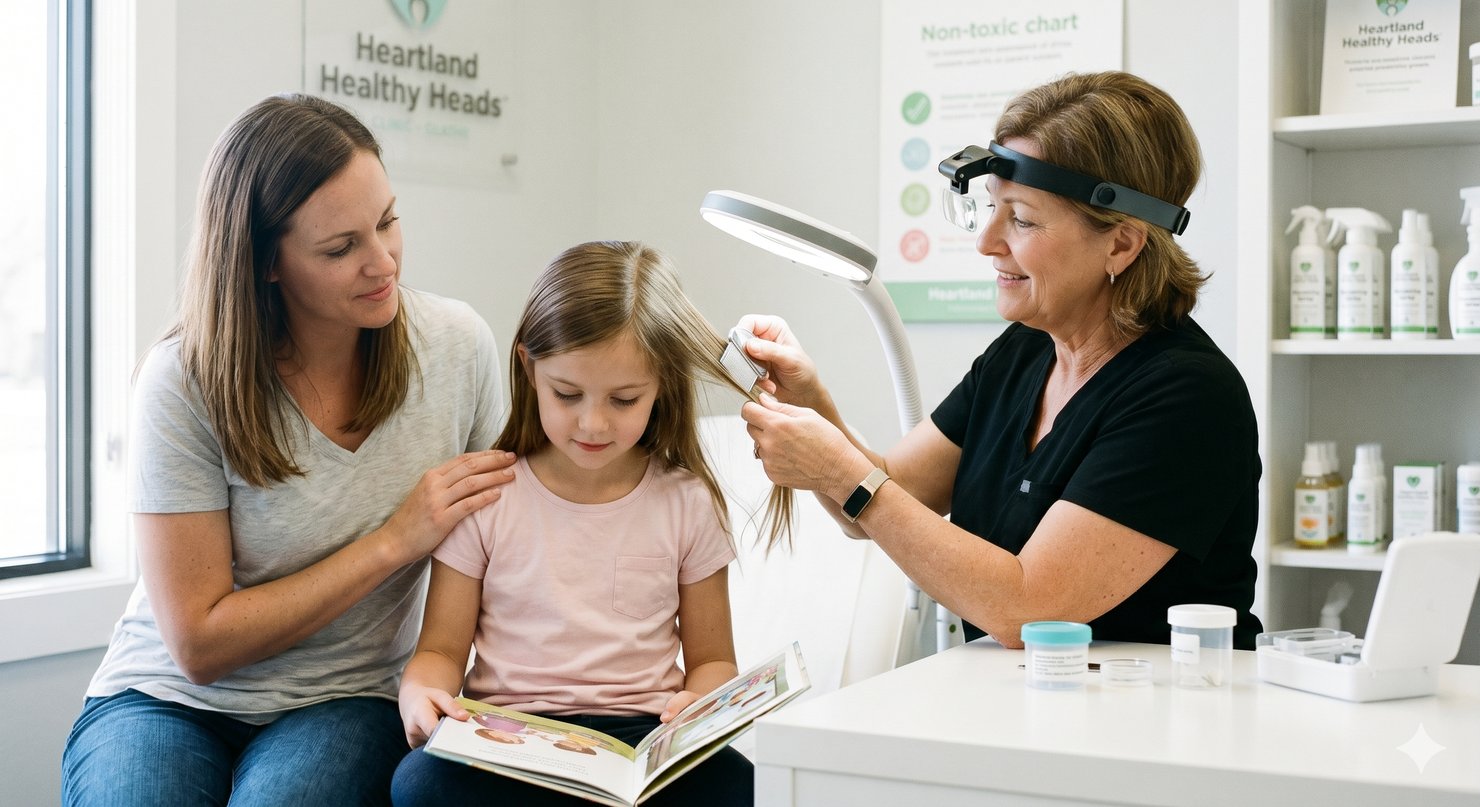
Technology is a powerful tool, but it is most effective when paired with expert manual removal. Our specialists are trained in the Shepherd Method, a strand-by-strand technique that ensures every single nit is identified and removed. We use high-magnification lighting and professional-grade combs to ensure nothing is left behind.
3. Non-Toxic, Safe Solutions
We believe that the cure shouldn't be more stressful than the condition. Our products are pesticide-free and safe for everyone, from toddlers to expectant mothers. We prioritize the health of the scalp and the hair while being relentless against the lice.
Managing the Home Environment (Without the Stress)
One of the most common questions we hear is, "Do I need to burn my house down?" The answer is a resounding no.
Lice are human parasites. They require the warmth of the human scalp and a blood meal every few hours to survive. Off the host, they become weak and typically die within 24 to 48 hours. You do not need to spend days deep-cleaning every corner of your home.
Our Professional Advice for Home Care:
- High Heat is Your Friend: Focus on items that have been in direct contact with the infested person’s head in the 48 hours prior to treatment. Toss bedding, hats, and jackets into the dryer on high heat for 30 minutes.
- Isolate the Rest: For items that cannot be washed (like large stuffed animals), simply placing them in a sealed bag for 48 hours is sufficient.
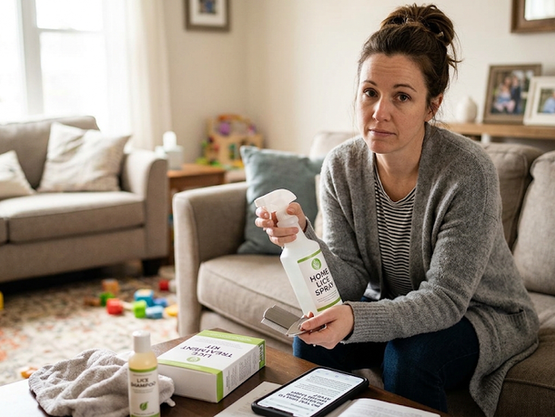
- Forget the Sprays: Do not use "lice-killing" furniture sprays. They are often unnecessary and introduce harsh chemicals into your living environment.
Conclusion: Reclaiming Your Peace of Mind
An encounter with head lice is a rite of passage for many families, but it doesn't have to be a months-long battle. By moving away from resistant chemical treatments and toward a professional, science-based approach, you can resolve the issue quickly and safely.
At Heartland Healthy Heads, we are more than just a treatment center; we are your partners in community health. We are led by experienced professionals, including Nurse Practitioners, who understand the clinical and emotional aspects of lice management.
If you suspect an infestation or have been struggling with a "recurring" case that OTC products won't fix, it’s time for a professional perspective. Let us handle the details so you can get back to what matters most.
Contact Heartland Healthy Heads today to schedule a professional screening or treatment. We are the local resource for safe, effective, and guaranteed lice removal in Kansas City.